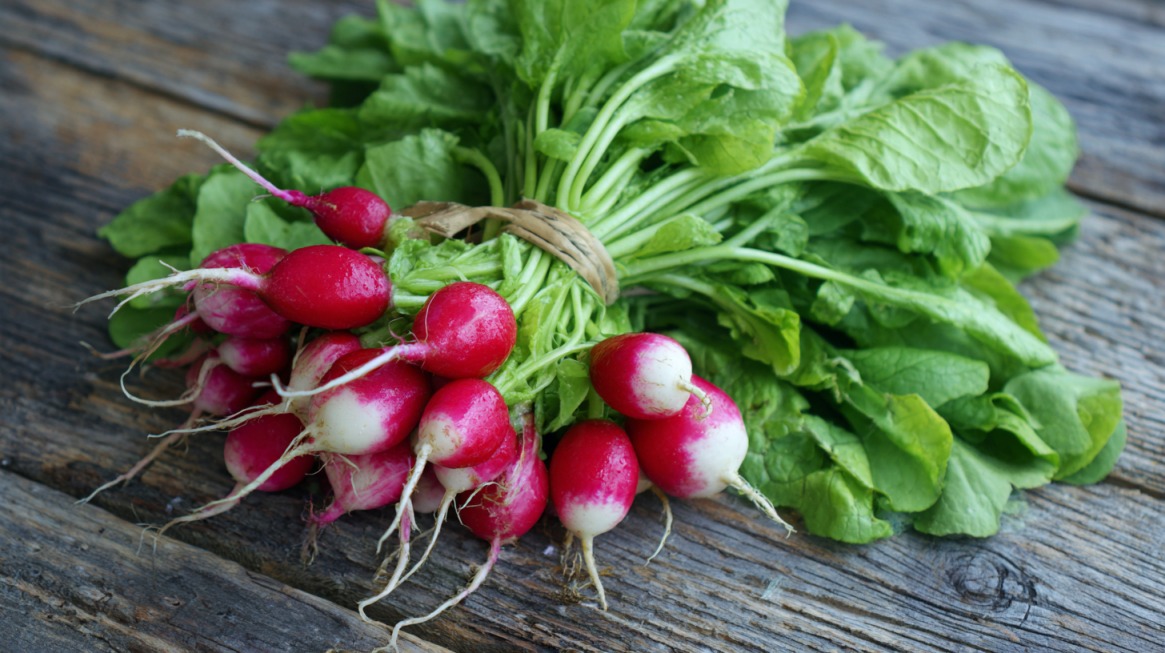
The Unsung Heroes of Your Vegetable Drawer: Why Radish Greens Deserve a Spot on Your Plate
For too long, the vibrant, peppery tops of radishes have been relegated to the compost bin, an unfortunate casualty of culinary oversight. While many eagerly enjoy the crisp, fiery root, the accompanying radish greens are often discarded without a second thought. This common practice, however, means missing out on a treasure trove of nutrients and a spectrum of impressive health benefits that rival, and often surpass, those of the radish itself.
It's time to shed light on these verdant gems. Far from being mere decorative foliage, radish greens are a powerhouse of vitamins, minerals, and dietary fiber, offering a unique flavor profile and an abundance of wellness advantages. In a world increasingly focused on reducing food waste and maximizing nutritional intake, understanding the value of these edible leaves is more relevant than ever.
What Are Radish Greens? An Introduction to This Overlooked Edible
Scientifically known as part of Raphanus raphanistrum subsp. sativus, radish greens are simply the leafy green tops that sprout from the radish root. While the radish itself is a popular root vegetable globally, its greens have traditionally been overlooked in many Western cuisines. This is a stark contrast to some parts of the world where radishes are cultivated specifically for their leaves, valued for their continuous growth and distinct flavor.
These greens possess a unique taste profile: a delightful blend of peppery notes with an earthy undertone, sometimes carrying a slight bitterness that adds complexity to dishes. They are not one of the "classic" leafy greens like spinach or kale, yet their nutritional density and versatility in the kitchen make them an incredibly valuable addition to a healthy diet. From a crunchy addition to salads to a robust base for cooked dishes, radish greens offer an exciting opportunity to explore new flavors and boost your nutrient intake simultaneously.
A Nutritional Powerhouse: Diving Deep into Radish Greens' Health Benefits
Prepare to be amazed by the nutritional prowess packed into these unassuming leaves. Radish greens are not just edible; they are exceptionally nutritious, often surpassing the nutritional content of the root they accompany. They are a rich source of essential vitamins, minerals, and other beneficial compounds that contribute significantly to overall health.
A Rich Tapestry of Vitamins and Minerals
One of the most striking facts about radish greens is their vitamin C content, boasting as much as six times more per serving than the radish root itself. Vitamin C is a powerful antioxidant, crucial for immune function, collagen synthesis for healthy skin, and protecting cells from damage. Beyond this, these greens are also an excellent source of:
- Vitamin A: Important for vision, immune function, and skin health.
- Vitamin B6: Plays a vital role in metabolism, brain development, and immune function.
- Calcium: Essential for strong bones and teeth, muscle function, and nerve transmission.
- Iron: Crucial for red blood cell formation and oxygen transport throughout the body, helping to combat fatigue and anemia.
- Magnesium: Involved in over 300 enzymatic reactions, supporting muscle and nerve function, blood sugar control, and blood pressure regulation.
- Phosphorus: Works with calcium to build strong bones and teeth, and is involved in energy production.
- Potassium: Key for maintaining healthy blood pressure and fluid balance.
- Folic Acid (Folate): Essential for cell growth and DNA formation, particularly important during pregnancy.
Beyond these micronutrients, radish greens also provide a significant amount of dietary fiber and protein, making them a truly well-rounded food.
Digestive Harmony and Weight Management
The high amount of dietary fiber found in radish greens is a cornerstone of their health benefits. Fiber is crucial for maintaining a healthy digestive system, promoting regular bowel movements, and preventing issues like constipation. A fiber-rich diet also contributes to a feeling of fullness, which, coupled with their low-calorie density, makes radish greens an excellent ally for weight management. Incorporating them into your meals can help you feel satisfied without consuming excess calories, making them a smart choice for anyone looking to maintain a healthy weight.
Cardiovascular Support and Blood Sugar Regulation
The synergistic blend of potassium, iron, vitamin C, and dietary fiber in radish greens offers substantial support for heart health. Potassium helps to regulate blood pressure by counteracting the effects of sodium, while fiber assists in lowering cholesterol levels. Furthermore, the antioxidants present help protect and repair damaged blood vessels and arteries, contributing to improved circulation and overall cardiovascular strength.
For individuals managing blood sugar levels, the high fiber content of radish greens is particularly beneficial. Fiber helps to slow down the absorption of sugar into the bloodstream, preventing rapid spikes and crashes and contributing to more stable glucose levels over time. This makes them a wise choice for supporting metabolic health.
Liver Detoxification and Immune Boost
Traditionally, certain plants have been recognized for their detoxifying properties, and radish greens are no exception. They are known to support liver function, aiding the body's natural processes of filtering toxins from the blood. By stimulating urination, they help the body eliminate waste more effectively, thereby relieving unnecessary stress on the immune system and contributing to a cleaner internal environment. The abundant vitamin C further bolsters the immune system, arming your body against illnesses and infections.
From Garden to Plate: Culinary Uses and Preparation Tips
Now that you're aware of the incredible benefits, the next logical step is to incorporate radish greens into your diet. Their peppery, earthy, and sometimes slightly bitter flavor profile is surprisingly versatile and can elevate a wide array of dishes.
Embracing the Flavor Profile
The unique taste of radish greens means they can be a fantastic substitute or addition to other leafy greens. Their slight kick adds an exciting dimension to otherwise bland dishes. If you find them a bit too strong on their own, try pairing them with milder greens or incorporating them into cooked dishes where their flavor mellows slightly.
Versatile Culinary Applications
Don't limit yourself to salads! While they make a fantastic, vibrant addition to any green salad, especially when mixed with other lettuces, their uses extend far beyond. Consider:
- Sautéed Sides: Quickly sauté them with garlic and olive oil for a simple yet flavorful side dish.
- Pasta Dishes: Stir them into pasta sauces, pestos, or directly into a warm pasta dish for a burst of freshness and nutrients.
- Soups and Stews: Add chopped radish greens towards the end of cooking to soups, curries, or stews for added depth and nutrition.
- Smoothies: Blend a handful into your morning smoothie for an undetectable nutrient boost.
- Sandwiches & Wraps: Use them as a more robust and flavorful alternative to lettuce.
- Pesto: Combine them with nuts, garlic, olive oil, and parmesan for a unique pesto that can be used on anything from pasta to toast.
- Quick Snack: Drizzle with olive oil, balsamic vinegar, a pinch of salt, and grated Parmesan cheese for a gourmet-feeling raw snack.
For more detailed culinary inspiration and specific recipes, check out Beyond the Root: Delicious & Easy Ways to Cook with Edible Radish Greens.
Essential Preparation and Storage Advice
To get the most out of your radish greens, a little preparation goes a long way:
- Separate Immediately: As soon as you bring radishes home, snip the greens from the roots. The greens tend to wilt quickly if left attached, as they draw moisture from the roots.
- Thorough Rinse: Radish greens can sometimes be quite gritty or sandy. Rinse them thoroughly under cold running water, or even dunk them in a bowl of water and gently swish them around, then lift them out, allowing any grit to settle at the bottom. Repeat if necessary.
- Dry Properly: After rinsing, dry the greens completely with a salad spinner or by patting them with a clean towel. Excess moisture can speed up spoilage.
- Store Separately: Store the dry greens in an airtight container lined with a paper towel in the refrigerator. They are best used within a few days.
Conclusion: Embrace the Full Radish Experience
It's clear that radish greens are far more than just discarded trimmings. They are a nutritional powerhouse, offering an impressive array of vitamins, minerals, and fiber that support digestion, heart health, liver function, and overall well-being. By integrating these peppery, earthy leaves into your meals, you not only enrich your diet with valuable nutrients but also contribute to a more sustainable, zero-waste kitchen.
So, the next time you pick up a bunch of radishes, remember the hidden value in their vibrant green tops. Don't waste them – unlock their potential and savor the full radish experience, from root to leaf. Your body, your palate, and the planet will thank you. For a deeper dive into their specific health impacts, explore our article on Radish Greens: A Nutritional Powerhouse for Digestion, Heart & Liver Health.
